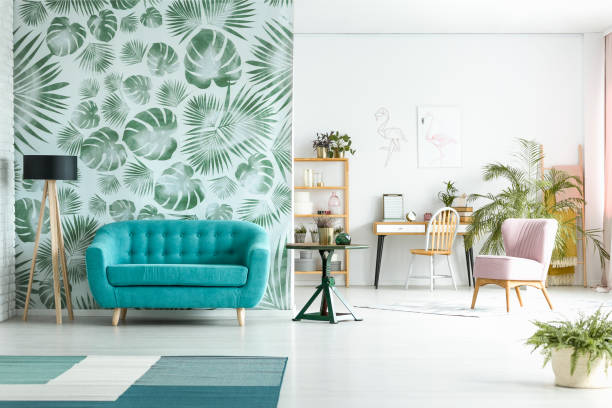
Interior design looks simple from outside. You see a nice sofa, matching curtains, a fancy lamp and think… okay that’s it? But honestly, it’s way more interesting than that. When I first started reading about interior spaces (mostly because my own room looked like a storage godown), I realized design is less about decoration and more about psychology.
A room can change your mood faster than your morning coffee. That’s not even exaggerating. There’s actually research that shows colors can impact emotions — blue tones can reduce stress levels slightly, while warm colors like terracotta or mustard can make a space feel more energetic. I once painted a wall dark grey thinking it looked “Pinterest aesthetic.” Two weeks later, I felt like I was living inside a rainy cloud. Had to repaint it. Lesson learned.
MintPalDecor kind of explains this vibe well — it’s not about stuffing furniture, it’s about creating balance. And balance is tricky. It’s like cooking biryani. Too much spice? Ruined. Too little? Boring.
The Way Spaces Tell Stories Without Speaking
This is the part that makes interior design interesting mintpaldecor style, in my opinion. Every space has a story. You walk into someone’s house and you can almost guess things about them. Are they minimal? Dramatic? Slightly chaotic? (I’m in the third category, probably.)
I remember visiting a friend’s apartment that was full of indoor plants, earthy textures, soft lights. It felt calm. Turns out she works in a high-pressure corporate job. Her home was basically her therapy zone. That’s design working emotionally, not just visually.
There’s also this thing people don’t talk about much — scent and layout flow. Studies say we decide whether we “like” a space within 7 seconds. Seven seconds! That’s less time than it takes to scroll past a random reel on Instagram. So yeah, details matter.
Social media has also made interior design more fun and more confusing. One week everyone is obsessed with Japandi. Next week it’s dopamine decor. Then suddenly beige is “dead” and bold colors are back. It’s like fashion trends but for your sofa.
It’s Creative… But Also Financially Smart
Here’s where people think interior design is only for rich people. Not true. Actually, good design can save money long-term. I didn’t believe this at first.
Think of it like buying a cheap chair versus a slightly expensive ergonomic one. The cheap one looks fine for 3 months. Then it starts squeaking. Then your back hurts. Then you replace it. In the end, you spent more. Good design is like investing in quality mutual funds instead of random crypto hype coins you saw trending on Twitter at 2 am.
There’s data that staged homes can sell 5 to 20 percent faster than non-staged ones. Some reports even say professionally designed interiors can increase property value by around 10 percent. That’s not small money. That’s serious ROI.
Interior design interesting mintpaldecor approach often focuses on intentional spending. Instead of buying ten random decor pieces, invest in one statement item that anchors the room. It’s kind of like building a wardrobe. One good blazer beats five average shirts.
Small Changes, Big Impact
One of the most surprising things I learned is how small tweaks can completely shift energy. Changing lighting temperature from cool white to warm white can make a room feel 30 percent cozier. I don’t know if that 30 percent is exact science, but it definitely feels that way.
Lighting is honestly underrated. Most Indian homes still use harsh white tube lights. Functional? Yes. Relaxing? Absolutely not. When I switched to softer lighting in my living room, my parents first said it looks “dim.” Now they prefer it. Humans resist change, even when it’s better.
Texture layering is another underrated trick. Mix wood, metal, fabric, maybe a little stone. Suddenly the room feels alive. Without texture, spaces feel flat. Like plain toast without butter.
It Connects Culture, Trends, and Identity
Interior design is also interesting because it mixes tradition with modern ideas. You’ll see people blending vintage Indian carved furniture with modern minimalist setups. It shouldn’t work, but somehow it does.
There’s a rise in sustainable interiors too. More people are searching for eco-friendly materials, reclaimed wood, low-VOC paints. Google trends show growing interest in sustainable decor over the past few years. It’s not just aesthetic anymore. It’s ethical.
And honestly, online chatter plays a huge role. Pinterest saves, Instagram reels, YouTube home tours — they influence what we like even if we don’t admit it. I once bought a rattan lamp just because it looked good in someone’s reel. Did I need it? No. Do I regret it? Slightly. But it does look nice at sunset.
Design Is Problem Solving in Disguise
People think interior designers just “make things look nice.” But half of it is problem solving. Small room? How do you make it look bigger? Awkward corner? What fits there without blocking flow? Budget constraints? Welcome to reality.
In cities where apartments are shrinking but expectations are growing, design becomes strategic. Multi-functional furniture is becoming more common. Sofa-cum-beds, foldable desks, hidden storage. It’s like playing Tetris with real-life objects.
Interior design interesting mintpaldecor mindset often focuses on functionality first. Because a room that looks good but doesn’t work is honestly useless. I once arranged my desk purely for aesthetic Instagram vibes. After two days, I couldn’t find my charger. Chaos.
Why It Stays Interesting Over Time
Trends change, people change, lifestyles change. That’s why interior design never gets boring. What worked five years ago may feel outdated now. But that’s okay. Homes evolve with us.
I think what makes interior design truly interesting is that it’s personal. It’s not one-size-fits-all. Two people can use the same furniture pieces and create completely different atmospheres.
Also, there’s something deeply satisfying about transforming a dull space into something warm and inviting. It feels productive in a visible way. Unlike replying to 100 emails, where nothing feels accomplished.
Maybe that’s why interior content keeps going viral. People love seeing before-and-after transformations. It’s proof that change is possible. Even if it’s just moving a couch.
Interior design isn’t just decor. It’s emotion, money decisions, creativity, psychology, and sometimes small mistakes like painting your wall too dark and regretting it for a month. And honestly, that’s what makes it interesting.