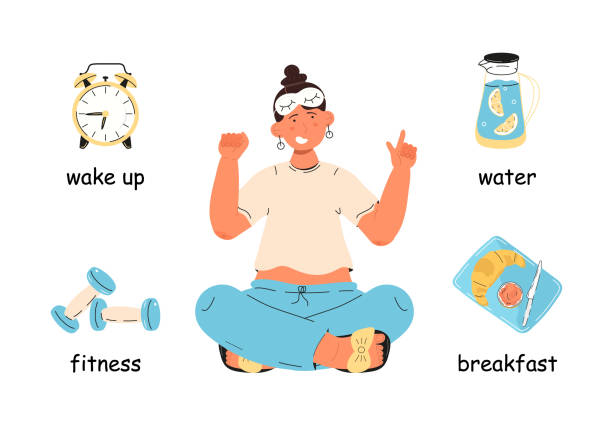
Somewhere between “I’ll start from Monday” and “life is too busy,” most of us know what we should be doing for our health. The problem is not information. It’s consistency. I’ve personally downloaded fitness apps, bought a fancy water bottle, even tried waking up at 5 AM because some billionaire said it’s the secret. Spoiler alert: I lasted three days.
What I’ve realized (after failing multiple dramatic routines) is that health doesn’t change because of big motivational bursts. It changes because of boring, small daily habits. The kind you almost underestimate.
Sleep Is Not Laziness, It’s Maintenance
I used to think sleeping 5–6 hours made me productive. Hustle culture on social media almost glorifies exhaustion. But the days I sleep properly, like actual 7–8 hours, I notice I’m less irritated. My skin looks better. Even cravings reduce.
There’s a stat from sleep research circles that people who consistently sleep under 6 hours have higher risks of anxiety and weight gain. It sounds obvious, but we ignore it. Sleep resets hormones, mood, hunger signals. It’s basically your brain’s daily software update.
And yet we scroll until 1 AM watching “just one more reel.”
Moving Your Body, But Not Like an Athlete
You don’t need a gym membership or a six-pack goal. I think that’s where people give up. Movement is medicine, but it doesn’t have to look impressive.
I started with just walking 20 minutes in the evening. No podcast. No step-count obsession. Just walking. Within two weeks, my mind felt lighter. It’s weird how simple walking clears mental clutter.
There’s research saying even 30 minutes of moderate activity reduces symptoms of mild depression. But honestly, even 10 minutes can shift your mood. The trick is making it daily, not intense.
We overestimate intensity and underestimate consistency.
Water Before Coffee (Yes, I Struggle Too)
This one sounds boring. Drink water. But dehydration quietly affects mood and energy. Mild dehydration can increase cortisol levels, which is basically your stress hormone.
I still reach for coffee first sometimes, not going to lie. But when I drink one glass of water after waking up, I feel less sluggish. It’s such a small thing that feels almost stupid to mention. Yet it works.
Health improvements are often that unsexy.
Sunlight Is Underrated Therapy
A lot of us live indoors. Work, commute, Netflix. Vitamin D deficiency is surprisingly common, especially in urban areas.
Even 15 minutes of morning sunlight helps regulate your circadian rhythm. It signals your body that it’s daytime. That improves sleep at night too. It’s like a chain reaction.
I noticed during a phase when I worked from home without stepping outside, my mood felt flat. Not sad exactly, just dull. The moment I started morning balcony time with tea, something shifted.
Nature exposure reduces stress levels. Not dramatically. Just subtly, consistently.
Less Doomscrolling, More Real Conversations
This one hits hard. Social media makes us feel connected, but mentally scattered. Constant news, comparison, opinions. It’s exhausting.
Limiting screen time, even by 30 minutes, genuinely improves focus. I tried keeping my phone away during meals. It felt awkward at first. But I started noticing flavors more. And thoughts felt slower, calmer.
Mental health improves when the brain gets breaks from stimulation. We don’t talk about that enough.
And real conversations? Hugely underrated. Laughing with a friend in person feels different than reacting with emojis.
Eating Like a Human, Not a Reward System
Food affects mood more than we admit. Blood sugar crashes can cause irritability. Ever noticed how being “hangry” is actually real?
Balanced meals with protein, fiber, and healthy fats stabilize energy. I’m not saying never eat junk. I do. But when most meals are balanced, mental clarity improves.
There’s increasing research on the gut-brain connection. Your gut bacteria literally influence mood chemicals like serotonin. It’s wild. We treat the brain like it’s separate from the body, but it’s all connected.
Simple rule I try to follow: add something nutritious before removing something “bad.” It feels less restrictive.
A Few Minutes of Stillness
Meditation sounds intimidating. I used to think you need 30 minutes of silence and monk-level patience. Not true.
Even 5 minutes of sitting quietly, focusing on breathing, lowers heart rate. It’s like pressing pause. The first few times your brain runs everywhere. That’s normal.
Mental fitness is like physical fitness. It improves with repetition.
Journaling works too. Writing messy thoughts on paper clears mental traffic. No fancy gratitude template needed.
Routine Beats Motivation
Here’s something I learned the hard way. Motivation fades fast. Routine survives.
If you tie habits to existing actions, they stick better. Drink water after brushing. Walk after dinner. Stretch before shower. Stack them.
There’s behavioral psychology behind this. Habit stacking increases consistency because the brain links actions together.
You don’t wake up one day mentally strong or physically fit. You accumulate small wins.
Reducing Alcohol and Late-Night Eating
This one might be unpopular. But reducing alcohol intake improves sleep quality massively. Even small amounts disturb deep sleep stages.
Late-night heavy meals also mess with digestion and sleep. I noticed that when I stopped eating heavy dinners past 10 PM, mornings felt easier.
Not perfect. Just better.
Forgiving Yourself When You Miss a Day
This is important. Missing one workout or one healthy meal doesn’t cancel progress. The all-or-nothing mindset damages consistency more than laziness does.
Health is flexible. Rigid plans break.
The people who look effortlessly healthy usually just return to basics quickly after slipping. That’s the difference.
At the end of the day, improving mental and physical health isn’t dramatic. It’s repetitive. Drink water. Sleep enough. Move daily. Get sunlight. Eat mostly real food. Talk to people. Breathe.
It sounds almost too simple. That’s why we ignore it.
But daily habits are like compound interest. Small deposits, big long-term returns. And unlike financial investments, this one pays you back in energy, mood, and actual quality of life.
Not flashy. Just real.