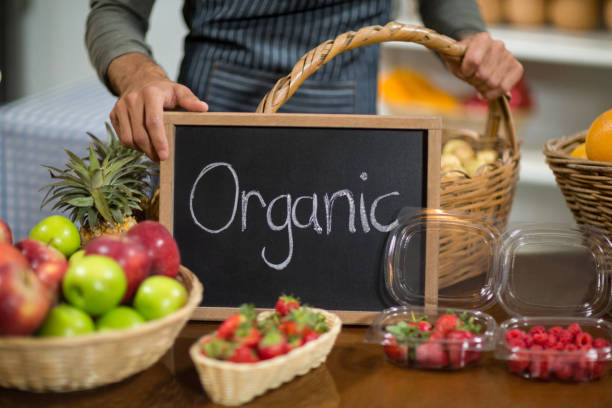
I still remember when organic food used to sit on those quiet shelves in big supermarkets. You know, the corner with soft lighting and double price tags. It felt like something only fitness influencers or rich aunties bought. Back then if someone said they only eat organic, it sounded… expensive. Almost dramatic.
But now? I see organic atta, organic milk, organic vegetables even in local kirana stores near my house. My neighbor, who used to complain about high tomato prices every week, now casually says she buys organic spinach for her kids. Something clearly shifted.
Organic food doesn’t feel like a luxury badge anymore. It feels normal. And honestly, that’s kind of surprising.
Health Anxiety Is Real and Social Media Made It Louder
One big reason is health fear. People are just more aware now. Or maybe more scared.
Instagram reels about pesticides. YouTube videos about chemicals in fruits. WhatsApp forwards warning about “toxic vegetables.” Even if half of it is exaggerated, it plants doubt in your mind. And once doubt enters, you start rethinking what’s on your plate.
A small study I read last year mentioned that over 45% of urban consumers switched to organic products after watching health-related content online. That’s almost half. Social media isn’t just entertainment anymore, it’s influencing grocery choices.
Even I’ve felt that. After watching one documentary about food farming practices, I stared at my regular apples like they betrayed me.
Prices Are Not As Crazy As Before
This part is important. Organic food used to cost double or sometimes triple. Now the gap isn’t that huge in many cases. Sometimes it’s just 10–20% higher. And psychologically, that feels manageable.
Think of it like upgrading from regular coffee to a slightly better brand. You justify it by saying, “It’s for health.” That one sentence makes spending easier.
Also, more farmers are entering organic farming. Supply increased. When supply increases, prices slowly balance. It’s basic demand-supply economics, the same reason smartphones became affordable over time. Once production scales, luxury turns into mainstream.
Middle Class Priorities Are Changing
Earlier, luxury meant bigger TV, new phone, fancy clothes. Now luxury is peace of mind. Sounds cheesy but true.
People are more willing to spend on health than on random gadgets. I’ve noticed this in my own family. My father will argue for 20 minutes about buying a new shirt, but won’t blink before paying extra for “chemical-free” vegetables.
It’s like health has become an investment category. Instead of thinking short-term, people think long-term hospital bills. Paying a little extra now feels smarter than paying huge medical expenses later.
Of course, there’s debate about whether organic is 100% healthier. Some experts say the nutritional difference isn’t massive. But perception matters more than technical charts. If consumers believe it’s safer, they’ll choose it.
Local Brands and Farmer Markets Changed the Game
Another reason organic stopped feeling elite is accessibility. Earlier you had to visit high-end supermarkets. Now there are weekend farmer markets, local organic brands, even subscription-based farm deliveries.
In my city, there’s a small organic farm that delivers directly to apartments. The vegetables sometimes look smaller, not perfectly shaped, but somehow that feels more real. Imperfect equals natural in our brains.
And supporting local farmers has become trendy too. It gives buyers emotional satisfaction. You’re not just buying food, you’re supporting someone’s livelihood. That story element adds value beyond price.
Pandemic Played a Big Role
Let’s not ignore COVID. During the pandemic, immunity became the hottest word on the planet. Suddenly everyone was drinking kadha, eating turmeric, and searching for “organic immunity boosting foods.”
Fear pushes behavior change faster than marketing ever can.
Many people who switched to organic during that time simply didn’t switch back. Habits once formed tend to stick, especially when linked to health and family safety.
Organic Is Now a Status Signal, But in a Subtle Way
Earlier luxury was visible. Big car. Expensive watch.
Now it’s subtle. Saying you eat organic is like signaling that you care about wellness. It’s quiet status. You don’t show it off directly, but it shapes perception.
Social circles matter too. If your friends talk about clean eating and farm-fresh products, you slowly adapt. Nobody wants to feel careless about health in a group conversation.
I’ve literally seen dinner conversations where someone says, “Oh, I only use organic oil now,” and suddenly the table gets quiet like everyone is mentally reviewing their kitchen choices.
Retailers Made Smart Moves
Big retail chains also noticed the demand shift. They created their own in-house organic brands, which reduced cost. Once supermarkets start pushing something heavily, it stops being niche.
Placement matters. Organic items are no longer hidden in corners. They’re next to regular products. That visual equality changes perception. If it’s sitting next to everything else, it feels normal.
Marketing language changed too. Instead of shouting “premium organic,” brands now say “everyday natural choice.” Subtle but powerful.
Urban Parents Are Driving the Change
If I’m being honest, parents are probably the biggest reason organic became daily.
When it comes to children, logic goes out the window. If there’s even a 5% chance something is safer, most parents will choose it. Especially in cities where pollution, stress, and lifestyle diseases are already high.
Schools, pediatricians, and parenting blogs constantly talk about clean eating. That pressure builds. Slowly organic cereal, organic milk, organic snacks become routine purchases.
Is It Truly Better or Just Better Marketed?
This question always pops up. Some critics argue that organic labeling isn’t always strictly regulated. Some say it’s partly clever branding.
And maybe that’s true in some cases. Not everything labeled organic is magically superior.
But consumer psychology doesn’t run only on lab reports. It runs on trust and belief. If people feel safer and happier buying organic, that itself creates demand momentum.
Sometimes markets shift not because something is perfect, but because it fits the mood of the time.
Luxury Redefined
Organic food becoming a daily choice says more about society than about vegetables.
It shows that priorities changed. Health is no longer a side concern. It’s central. Spending patterns reflect fear of illness, desire for longevity, and influence of digital information.
What once felt like an indulgence now feels like a responsible decision.
And honestly, I never thought I’d say this, but paying slightly more for tomatoes doesn’t feel fancy anymore. It feels… normal.
That’s probably the biggest shift of all.