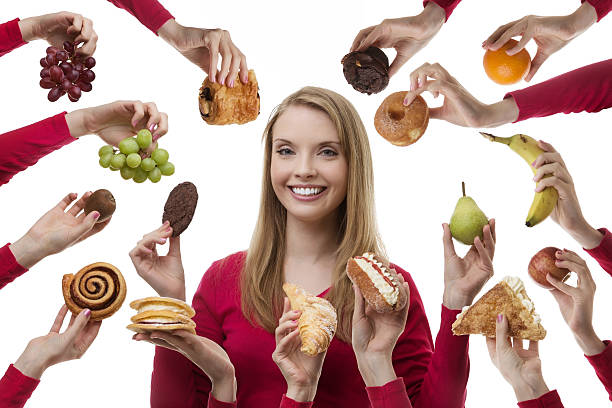
Ever noticed how nobody says, “I accidentally ate three bowls of salad”? It’s always pizza. Or chips. Or that one chocolate bar you bought “just in case” and somehow finished before reaching home. I’ve done it. You’ve probably done it. And every time I tell myself I’ll just have a little, it turns into… well, not little.
So what actually makes certain foods highly addictive? Is it just lack of willpower? Or is something else going on inside our brain that we don’t fully understand?
It’s Not Just Hunger, It’s Brain Chemistry
This is the part that surprised me when I first started reading about it. Highly addictive foods trigger dopamine. That same feel-good chemical that gets activated when we scroll endlessly on Instagram or win something small but exciting. Dopamine isn’t about pleasure exactly, it’s more about anticipation and reward.
When you eat something high in sugar, salt, or fat, your brain lights up like you just achieved something important. Which is funny because technically you just ate a donut.
Some researchers compare it to how slot machines work. You don’t always win, but when you do, your brain remembers the feeling. Processed foods are kind of like edible slot machines. Every bite hits slightly differently. Crunchy, creamy, sweet, salty. Your brain stays curious.
Natural foods don’t usually do this. An apple tastes like… an apple. It’s good, but predictable. A chocolate lava cake? That’s drama.
The Bliss Point Is Designed, Not Accidental
There’s this concept called the “bliss point.” Food companies literally test different levels of sugar, salt, and fat to find the perfect combination that makes you want more. Not too sweet, not too bland. Just enough to keep your brain asking for another bite.
It sounds dramatic, but it’s real. I read a food industry report once saying that small tweaks in sugar levels can increase repeat purchases by noticeable percentages. We’re talking millions in revenue over tiny changes.
It’s kind of wild when you think about it. These foods are engineered to be irresistible. And then we blame ourselves.
Sugar Is Sneaky Like That One Friend
Sugar deserves its own section honestly. It spikes blood sugar quickly, gives a fast burst of energy, then drops it just as fast. That crash makes you crave more. It’s like borrowing energy and paying it back with interest.
And sugar hides everywhere. Bread. Sauces. “Healthy” granola bars. Sometimes I flip a product and see 12 grams of sugar in something that doesn’t even taste sweet.
Online, there’s constant debate about whether sugar is truly addictive like drugs. Some studies suggest it activates similar reward pathways. Others say it’s more behavioral than chemical. Either way, the cravings feel real.
Fat and Salt Make the Perfect Team
High-fat foods create a creamy texture that feels comforting. Salt enhances flavor and makes everything more intense. Together, they’re unstoppable. Think fries. Think cheesy snacks. Think basically half the snack aisle.
Salt also reduces bitterness. So food tastes smoother, easier, more addictive. There’s less resistance in the flavor.
It’s interesting because our ancestors needed salt and fat to survive. They were rare resources. So our brain evolved to seek them out aggressively. Now they’re everywhere, and our biology hasn’t updated.
Texture Matters More Than We Admit
Crunchy foods are weirdly satisfying. There’s actual research showing that the sound of crunch increases perceived freshness and enjoyment. So chips don’t just taste good. They sound good.
Soft and creamy textures trigger comfort signals. Think ice cream after a bad day. Nobody stress-eats carrots. It’s always something soft or crunchy.
I once tried replacing chips with roasted chickpeas. Technically crunchy. But it didn’t hit the same. There’s a difference between natural crunch and processed crunch. Hard to explain, but you feel it.
Emotions Make It Worse
Food addiction isn’t just physical. It’s emotional. We connect certain foods to memories. Birthday cake. Late-night Maggi during exams. Movie popcorn.
Stress plays a big role too. When cortisol rises, cravings for high-calorie foods increase. Your body thinks it needs quick energy to survive stress. Even if the “threat” is just emails.
I’ve noticed when I’m bored, I snack more. Not hungry. Just bored. Social media is full of memes about this. “Am I hungry or just avoiding work?” Very relatable.
Portion Sizes Trick the Brain
Another thing nobody talks about enough. Portion sizes today are huge. And our brain uses visual cues to decide when to stop eating.
If you pour cereal into a big bowl, you’ll eat more. Studies show people eat up to 30% more from larger containers without realizing it. I tested this once accidentally. Big popcorn tub in cinema. Gone before interval.
It’s not just addiction. It’s environment.
Hyper-Processing Removes the Stop Signals
Whole foods have fiber, water, and structure that slow down eating. Processed foods are easier to chew and swallow. You can eat 500 calories of cookies faster than 500 calories of boiled potatoes.
When food is easy to eat quickly, your brain doesn’t register fullness in time. So you overshoot.
This is why smoothies sometimes don’t feel filling even if they’re calorie-dense. The chewing process matters more than we think.
Social Proof and Marketing Add Fuel
Let’s not ignore this part. Ads. Influencers. Limited edition flavors. Viral food trends.
When something is marketed as indulgent, comforting, or “you deserve this,” it creates emotional permission. And if everyone online is trying a new dessert, FOMO kicks in.
I once tried a viral chocolate because everyone on reels said it was life-changing. Was it? Not really. But the hype made it feel special.
So Are We Helpless? Not Really
Understanding what makes certain foods highly addictive actually helps reduce guilt. It’s not just weak willpower. It’s biology, chemistry, psychology, and marketing combined.
I’m not saying never eat pizza again. That would be sad. But being aware changes the relationship. Slowing down. Not eating straight from the packet. Keeping certain snacks out of sight. Small things help.
At the end of the day, addictive foods are designed to keep us coming back. That’s their job. Ours is just to not let them control the whole story.
And if you still finish the chips sometimes? Same. It happens.